


Integrity in Sport
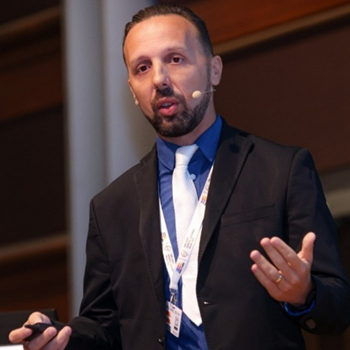
Instructor
leonardocunha
Reviews

Instructor
Maria Cabrera Perez
Reviews
Course Overview
Integrity in sport is a core value that ensures all sporting activity is conducted fairly, safely, transparently, and respectfully of fundamental ethical principles. When we talk about integrity, we are talking about much more than just following rules: we are talking about protecting sporting merit, ensuring equal conditions, guaranteeing the safety of all participants, safeguarding the reputation of sporting organizations, and reinforcing the positive role of sport in society.
Integrity in sport rests on a collective commitment that goes far beyond the behavior of athletes. Referees, coaches, managers, federations, clubs, sponsors, public bodies, local communities, the media, and fans—all have clear responsibilities to create a culture of ethics, accountability, and good governance. It is this ecosystem of trust that preserves the true value of sport: merit, fairness, and mutual respect.
Thus, integrity is not limited to monitoring fraud or formally complying with regulations. It is a guiding principle that underpins decisions, governance practices, resource management, accountability, and training initiatives. It is also a condition for sport to continue to be a factor in human development, social inclusion, and education for citizenship, in line with the Sustainable Development Goals (SDGs).
Practices such as cheating, corruption, match-fixing, or doping are fundamentally incompatible with these values and must be prevented and punished in an exemplary manner.
One of the greatest challenges to integrity is precisely the fight against doping. The use of prohibited substances or methods compromises the health of athletes, distorts results, and destroys public trust. The World Anti-Doping Code, developed by the World Anti-Doping Agency (WADA), is the international reference instrument on this matter, adopted by organizations and governments worldwide.
Another major risk is the manipulation of competitions, often associated with illegal betting networks and organized corruption. Instruments such as the Macolin Convention of the Council of Europe and the Olympic Movement Code for the Prevention of Competition Manipulation are fundamental references for combating this phenomenon and protecting the credibility of competitions.
Beyond the fight against fraud and doping, integrity also implies the eradication of abuse, violence, or discrimination. An environment of integrity is also a safe, inclusive environment that respects diversity, regardless of gender, sexual orientation, religion, or social status. Integrity is thus linked to the promotion of Olympic values, human rights, and equal opportunities.
Good governance is another essential condition: clubs, federations, and organizations must manage resources transparently, make informed decisions, and be accountable to athletes, members, and society. Practices of mismanagement, internal corruption, or abuse of power are incompatible with a culture of integrity.
Finally, this course emphasizes that protecting integrity requires ongoing education, effective prevention, and secure reporting channels. It is crucial to empower athletes, coaches, referees, and officials to recognize risks, reject illicit practices, and report irregularities without fear of retaliation.
General Objectives of the Course
- Understanding what is meant by integrity in a sporting context.
- Recognizing the risks and consequences of match-fixing and doping.
- To promote prevention, explain how to report illegal practices, and encourage a culture of shared responsibility.
Estimated course completion time:
2 hours.
Guest expert:

John Paul Almeida
This course is supported by the Cape Verdean Olympic Committee and its Olympic Academy through Olympic Solidarity within the Community365 program.

What You'll Learn?
- A deep understanding of sports integrity. Participants will understand the meaning and importance of integrity as the foundation of ethics, fairness, and credibility in sports.
- Training for the prevention of illicit practices. The course provides tools to identify, prevent and respond to situations of doping, corruption, match-fixing, abuse or discrimination.
- Access to international references and instruments. The course presents key standards and conventions, such as the World Anti-Doping Code and the Macolin Convention, useful for practical application.
- Continuous training and professional recognition. Enhances participants' resumes, reinforcing ethical and management skills relevant to technical and leadership roles in the sports sector.
- • Athletes from all sports.
- • Sports coaches and technicians.
- • Club and federation leaders.
- • Sports managers and administrators.
- • Professionals and representatives of private sector entities.
- • Students of physical education, sports, and management.
- • Members of community associations and social projects related to sports.
- • There are no specific prerequisites.
- Anyone interested can register.
- • Only an interest in sport, ethics, and good governance are recommended.
- • Computer or device with internet access.
- • Online course platform.
- • Digital content and explanatory videos.
- • Case studies and examples from the sports sector.
- • Interactive quizzes.
- • Reading resources and support materials.
eleutavares55
zelitofernandes38
Good afternoon
Regarding the course, which is extremely important, especially in the sports field, I would like to express my opinion that content like this should be taught in person.
leovarela10
🤍💙✅
efiz.sal
silvinoteixeira21
Excellent