

 Sustainable Development
Olympism365 and Agenda 2020+5
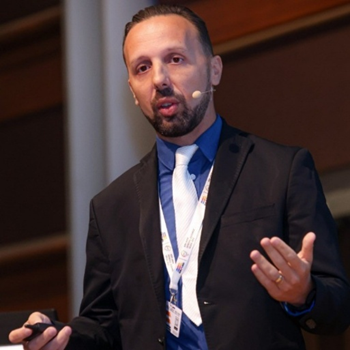
Instructor
leonardocunha
Reviews

Instructor
Maria Cabrera Perez
Reviews
Course Overview
Have you ever considered the transformative power of sport beyond the playing fields, directly shaping the future of our planet?
Firstly, I would begin by explaining the concept of ‘Olympism 365’. This is a strategy developed by the International Olympic Committee with the aim of taking sport further, positioning it as a mechanism geared towards achieving the Sustainable Development Goals (hereinafter SDGs).
Credibility, sustainability and youth – these three key concepts lie at the heart of the 2020+5 Agenda. The Olympism 365 strategy emerged following Recommendation 10 of the 2020+5 Agenda, adopted in March 2021, building on the text of the 2020 Olympic Agenda. The cornerstone of the 2020+5 Agenda is the strengthening of sport’s role as a partner in the SDGs. The document comprises forty recommendations, centred on three fundamental pillars: credibility, sustainability and youth.
Among the forty recommendations, recommendation number 10 stands out, as it aims to strengthen the role of sport, recognising it as a means of achieving the United Nations’ SDGs.
Each SDG has several targets, which are available on the United Nations’ official website dedicated to the SDGs. These will be explained in the course.
I believe that, in our training sessions, we should emphasise the importance of sport for social progress, taking the time to explain the significant benefits it brings to the community. Thomas Bach, who served as President of the International Olympic Committee until this year, made the following statement in this regard: “Sport is of enormous social importance, as it is the glue that binds communities together”.
He added: “The Olympic values enshrined in the Olympic Charter, which guide the work of our Movement, are more relevant than ever. They come to life not only during the Olympic Games, but every day, everywhere. It is our duty to ensure that governments and the international community as a whole continue to invest in sport and its irreplaceable values. With the adoption of the Olympism 365 strategy, we will forge and strengthen partnerships that will enable us to continue contributing to the building of a better world through sport.”.
General objectives of the course:
- To understand the principles of Olympism 365 and its key role in human and social development.
- To find out about the contents of the 2020+5 Agenda.
- Reflect on and identify at least three specific ways in which sport contributes to social progress.
- Apply the principles of Olympism 365 to local initiatives.
Estimated course completion time:
2 hours.
Guest expert:

Filomena Fortes
This course is supported by the Cape Verdean Olympic Committee and its Olympic Academy through Olympic Solidarity within the Community365 program.
What You'll Learn?
- • A thorough understanding of the role of sport in sustainable development.
- • An overview of the 2020+5 Olympic Agenda.
- • Developing skills for social action through sport.
- • Professional development and responsible leadership.
- • Inspiration and a commitment to a better world.
- • Professionals and managers in the sports sector.
- • Managers and coaches of sports and leisure organisations.
- • Those responsible for public policies on youth, education, health and social inclusion.
- • Members of NGOs and associations that use sport as a tool for community development.
- • Coaches and sports instructors with an interest in Olympic values and social impact.
- • Volunteers and social workers involved in community-based projects.
- • Anyone interested in the ‘Olympism 365’ strategy and the ‘Agenda 2020+5’.
- • An interest in understanding the role of sport in sustainable development.
- • No prior knowledge of ‘Olympism 365’ and ‘Agenda 2020+5’ is required.
- • Computer, tablet or smartphone with internet access.
- • Online course platform.
- • Digital content and explanatory videos.
- • Interactive quizzes.
- • Access to the digital platforms recommended by the trainer (for example, the SDGs website and the International Olympic Committee’s website).
- • Reading resources and support materials.

